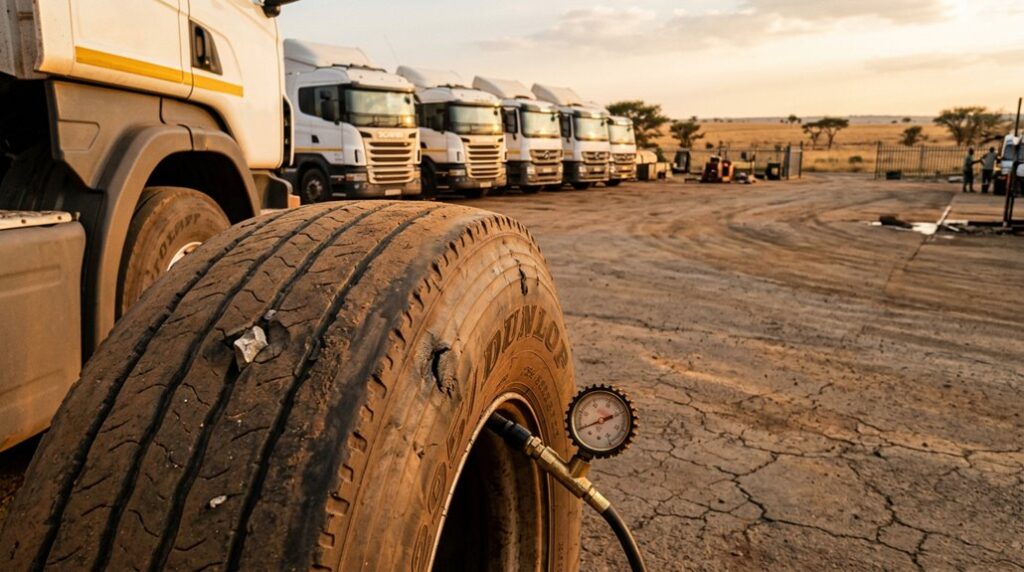
When choosing truck tyres, new tyres offer superior performance, safety, and durability, but they come with a higher price. Retreaded tyres are cost-effective and can match new tyre performance, yet their safety depends on quality checks. Used tyres are budget-friendly but carry risks like hidden defects and less lifespan.
Balancing cost, safety, and performance is key when selecting the most appropriate option for your fleet requirements. There’s more to evaluate to guarantee you make the best choice for your specific operational needs and budget constraints.
Key Takeaways
- New tyres provide superior performance, durability, and traction, essential for safety and reliability on the road.
- Retreaded tyres are cost-effective, offering comparable fuel efficiency and tread longevity to new tyres with a reduced environmental impact.
- Used tyres are less expensive initially but carry higher risks of hidden defects, irregular wear, and shorter lifespans.
- Warranties for new tyres are generally more reliable, while retreaded tyres’ warranties vary, and used tyres typically come without any assurances.
- New tyres require more resources and energy to produce, whereas retreading conserves materials and reduces waste in tyre management.
Cost Analysis of Truck Tyres
Regarding truck tyres, understanding the cost fluctuations can make a significant difference in your budgeting decisions. New truck tyres can be a real investment, often costing more than retreaded options, which can save you up to 50%. Whilst used tyres might seem tempting due to their lower price, they come with higher risks—like hidden defects and shorter lifespans. It’s essential to weigh these choices carefully, considering factors like ongoing maintenance costs for retreaded tyres. Additionally, it’s important to note that the U.S. producer price index for truck tyres has shown fluctuations from 2005 to 2022, indicating market trends over time. Keep in mind that new tyres generally retain their value better over time. The current supply-demand model suggests that a stable demand coupled with an influx of low-cost imports is keeping tyre prices in check.
Performance and Durability
When choosing truck tyres, performance and durability are essential factors that can impact your vehicle’s efficiency and safety.
You want to make informed choices, so consider these key points:
- Fuel Efficiency: Retread tyres can match or even exceed the fuel efficiency of new tyres. In fact, retreads contribute to lower fuel consumption and reduced maintenance costs for fleets.
- Tread Wear: Advanced designs enable retread tyres to last as long, or longer, than new ones.
- Cushion and Comfort: New tyres typically provide superior cushioning, enhancing your driving experience.
- Safety Features: Both new and retread tyres have comparable safety profiles, depending mainly on external factors like road conditions. Furthermore, a University of Michigan study shows that new and retread tyres are equally vulnerable to failure, emphasizing the importance of tire maintenance.
Understanding these aspects helps you make choices that not just improve performance but also promote a sense of community with responsible usage of truck tyres.
Environmental Impact and Sustainability
When you choose truck tires, consider the difference in resource utilization between new, retreaded, and used options. Each type has unique waste reduction benefits and varying emission levels during production and disposal. Discarded tires release chemicals that seep into groundwater, further highlighting the importance of understanding these factors to help you make more sustainable choices for your fleet. Additionally, tires contain over 400 chemicals and compounds, many of which have harmful effects on the environment and human health.
Resource Utilization Comparison
Resource Utilisation Comparison
Semi-truck tyres represent a significant aspect of resource utilisation, impacting both the environment and sustainability efforts.
You might be surprised to learn about the resources required in tyre production.
Here’s a quick comparison:
- Raw Materials: New tyres use 19% natural rubber and 24% synthetic rubber.
- Oil Consumption: Manufacturing a new tyre consumes about 83 litres of oil.
- Energy Efficiency: Retreading requires substantially less energy than creating a new tyre, promoting resource conservation.
- Material Conservation: Retreading extends the lifespan of existing tyres, minimising the need for new materials. Additionally, tires contribute 10-28 percent of microplastic waste, making their sustainable management crucial for environmental health.
Furthermore, the production and use of tyres contribute significantly to non-exhaust emissions, which can greatly affect environmental sustainability.
Understanding these factors helps highlight the importance of sustainable practices in tyre usage.
Waste Reduction Benefits
Waste Reduction Benefits
Waste reduction in the tyre industry isn’t just a beneficial practice; it’s essential for promoting sustainability and protecting the environment.
Every year, millions of tyres are discarded in South Africa, causing significant waste management issues.
By opting for retreaded or reused tyres, you’re actively reducing landfill waste whilst conserving precious resources.
Strategies like shredding tyres lower transportation costs and minimise the risk of environmental hazards, such as oil spills and fires.
Plus, using recycled tyres in products like rubber mulch or artificial turf not just protects habitats but also encourages local job growth.
By selecting sustainable tyre solutions, you’re contributing to a community that values environmental responsibility and future generations.
Together, we can drive meaningful change!
Emission Levels Differences
How do emission levels from different types of tyres impact the environment and sustainability?
The difference in emissions from new, retreaded, and used tyres plays a vital role.
Here’s what you should know:
- New Tyres: Higher rolling resistance initially can lead to increased emissions.
- Retreaded Tyres: They help reduce emissions by using fewer resources than new tyre production.
- Used Tyres: Often, they’ve lower rolling resistance, which can lead to reduced emissions during operation.
- Electric Vehicles: Heavier vehicles experience more tyre wear, leading to greater emissions, though regenerative braking can help mitigate this.
Understanding these emission pathways is key.
As you consider your tyre choice, remember that each type carries distinct environmental impacts essential for sustainability efforts.
Reliability and Safety Considerations
Regarding truck tyres, reliability and safety are vital.
You need to evaluate how new, retreaded, and used tyres stack up regarding performance consistency, potential safety risks, and warranty assurances.
Each type has its strengths and weaknesses, so understanding these factors helps you make an informed decision.
Performance Consistency Overview
Understanding performance consistency in truck tyres is crucial for ensuring reliability and safety on the road.
You’ll want to evaluate various factors that impact how each type of tyre performs under different conditions.
Here’s what to keep in mind:
- Treadwear Durability: New tyres usually last longer, with higher UTQG ratings.
- Reliability in Various Conditions: New tyres excel on both wet and dry surfaces, ensuring you’re prepared for anything.
- Traction Capabilities: Fresh tread compounds give new tyres superior traction, which improves handling.
- Quality Standards in Retreads: High-quality retreaded tyres can perform commendably, but it’s crucial to verify their origin.
Safety Risks Comparison
While new truck tyres offer significant safety advantages, it’s vital to compare them with the risks associated with used and retreaded options.
New tyres meet strict safety standards, providing predictable performance and reliable traction, vital for heavy vehicles.
In contrast, used tyres may harbour hidden internal damage and show irregular wear, compromising safety and increasing blowout risks.
Retreaded tyres can also be risky, as their quality varies and potential unseen damage could lead to catastrophic failures.
You want to secure your safety on the road, and new tyres statistically outperform their used and retreaded counterparts.
Through selecting wisely, you not just protect yourself but also contribute to a safer community for all drivers.
Warranty and Assurance Factors
Warranty and Assurance Factors
Choosing the right tyres for your truck is essential, not just for safety but also for peace of mind regarding warranties and assurances.
Here’s what you should know:
- New Tyres: They offer reliable warranties against manufacturing defects, ensuring reliability.
- Retreaded Tyres: Warranties vary by brand; for instance, Goodyear offers specific coverage for initial retread life.
- Used Tyres: Typically sold as-is, meaning there’s no warranty and less assurance in their condition.
- Maintenance: Always inspect your tyres, regardless of type, since road hazards and maintenance play critical roles in performance.
Long-term Economic Factors
Long-term economic factors play an essential role in shaping the tyre market, impacting decisions around new, retreaded, and used truck tyres.
As you manage your options, consider that new tyres depend heavily on market demand and technological advancements for durability and efficiency.
Retreaded tyres stand out as a cost-savvy choice, offering similar quality whilst reducing waste.
If you’re budget-conscious, used tyres can provide a temporary solution, but be wary of their safety and reliability concerns.
Remember, the fluctuating costs of raw materials and environmental regulations further affect pricing across the board.
Choosing the Right Tyre for Your Needs
How can you guarantee that you select the right tyre for your needs?
It’s essential to evaluate a few key factors. Here are four aspects to help guide your choice:
- Load Capacity: Make sure the tyre can handle the weight you need; it’s about maintaining safety and efficiency for your truck operations.
- Tread Depth: Opt for new tyres with full tread depth for better traction and less aquaplaning risk on South African roads.
- Environment: Consider eco-friendly options that minimise your environmental impact whilst being efficient.
- Customisation: Choose tyres based on specific roles, whether drive, steer, or trailer, aligning with your unique requirements.
Conclusion
In the end, choosing between new, retreaded, and used truck tyres feels like selecting a lifeline for your haul. Each option offers unique benefits and drawbacks, shaping your trip on the asphalt. By assessing costs, performance, and sustainability, you carve a path to a smart decision. Imagine your truck gliding smoothly down the highway, confidently supported by the right tyres. It’s not just about making a choice; it’s about ensuring your travels are safe and successful.